This year (2015-2016) in Followers, we are storying our way through the book of 1 Samuel.
I’m trying an experiment.
Our culture is quickly and surely heading to a post-Christendom society. In essence what this means is our culture no longer assumes Christian moral moorings by default. I like to say that our culture has graduated from Christianity. Almost as if learning about “Christian” character and the stories in the Bible were good in childhood and adolescence, but once one enters adulthood, it’s time to move on to less legendary stories and supernatural belief to something more concrete and “real.”
The experiment I am trying is telling the stories found in 1 Samuel without mentioning they are found in the Bible. Instead of saying things like “in the Bible” or “Israelites” I’m using phrases like “this is an ancient story,” “from the Middle East,” and “the story says this.” I’m not at all trying to negate the Bible nor the power of its stories about Israel and God’s redemptive plan for all of humanity. On the contrary, I hold those thoughts in high regard. My experiment is to see how the students respond to the stories without obvious and verbal references to “verses,” “in the Bible,” and “God says this.” When the story references names, locations, when God says something, etc. it is mentioned in the storytelling.
What I’ve noticed so far (3 weeks into this experiment) is that students “lean in” to the story rather than “lean back.” In other words, if I say “today’s story from the Bible is…” what usually happens is a mental leaning back of sorts. What I’m trying to do is cause students to lean forward. So in essence, this experiment is to see if telling these stories sans references to the Scriptures actually changes students’ posture in engaging with these stories.
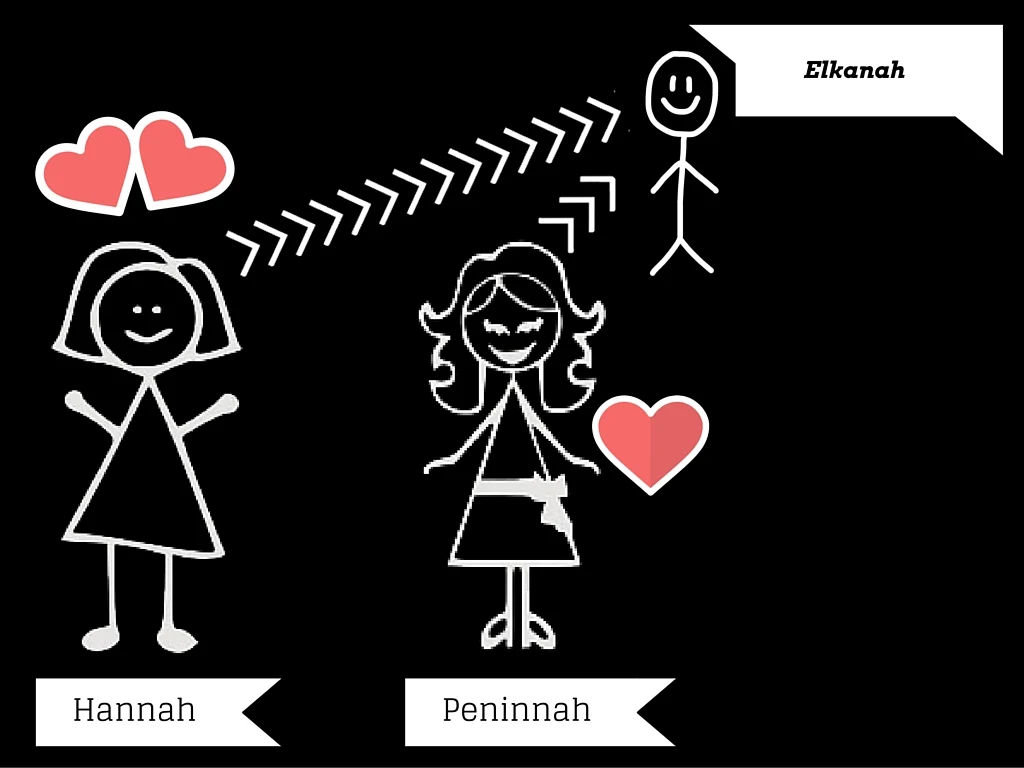
So far it has been incredible! The students are intrigued from week to week with the unfolding story of Samuel and his family, Elkanah and Hannah, and Eli and his family, Hophni and Phinehas. They want to know what happens to the different characters in the story from week to week. We do a short recap and then do the next story in the text. I’m using stick figures on the screen to tell the story as well. My daughter (3rd grade) tells me that the stick figures is her favorite part of the teaching time!
Important note: Followers is an outreach type program for children in Kindergarten through grade 5. On Sunday mornings, our formal teaching has overt language like “in the Bible” and such. So a number of the students that come to Followers are aware that these stories are in the Bible. I want them to figure that out and they do. The others who do not come to our church on the weekends will not know these are Bible stories by default, but they figure it out as well as we’re going along.
All to say that this is an experiment to see how children immersed in a post-Christian society respond to “camouflaged” stories from the Bible.
What I’m learning from this experiment is the stories are powerful enough to stand on their own. The kids seem to learn pretty quickly that these stories aren’t just any stories, but have a transcendent nature to them that exudes divine authorship. Pretty fascinating!